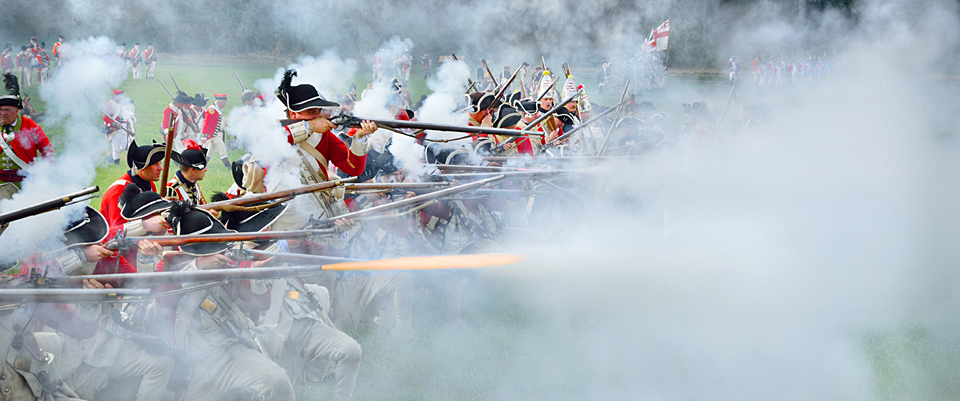
Testimony of Peace
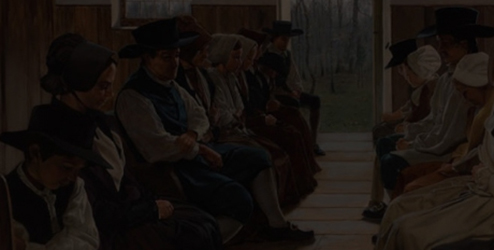
Learn how threat of war posed a moral conflict for Quakers, who were faced with upholding their oath or defending their home.
Taverns, Mills & Militia
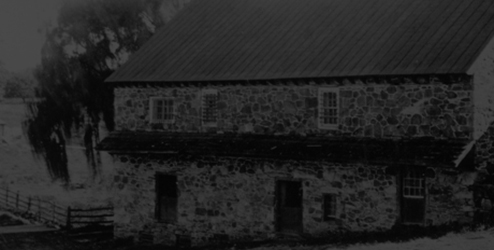
Discover how Marshallton and its businesses supported the Pennsylvania militia leading up to the war.
British March towards Philadelphia
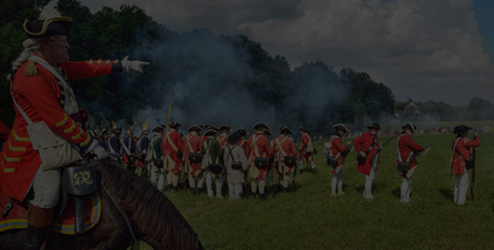
Learn how the British Army captured Philadelphia, quickly suppressed the rebellion, and marched toward the Brandywine to attack General Washington’s troops from the north.
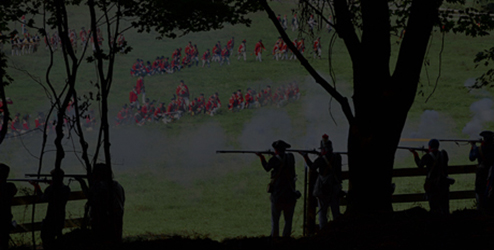
Unprepared Locals Face Devastation
Learn how the unexpecting community was impacted by the oncoming troops.
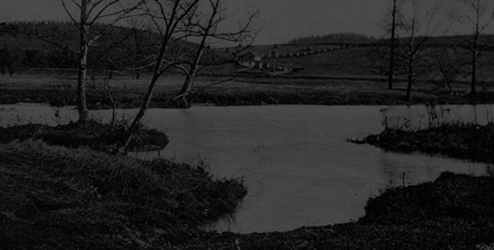
Ford to Ford
A key to the battle was the question of exactly where British forces would cross the Brandywine River. See the landmarks that gave the British troops the strategic advantage in this great battle.
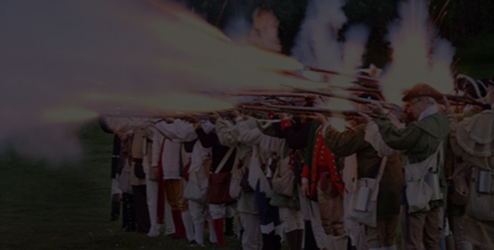
Washington’s Retreat
The defeat and hasty retreat were costly. The Americans had no choice but to abandon Philadelphia. Click here to reveal what is next for Washington and his patriots.