
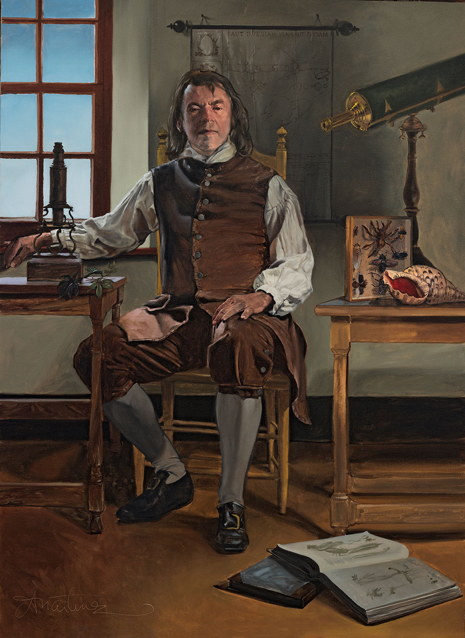
In Portrait of Humphry Marshall, artist Adrian Martinez envisions Marshall’s interests in science, nature and technology innovations of the time.
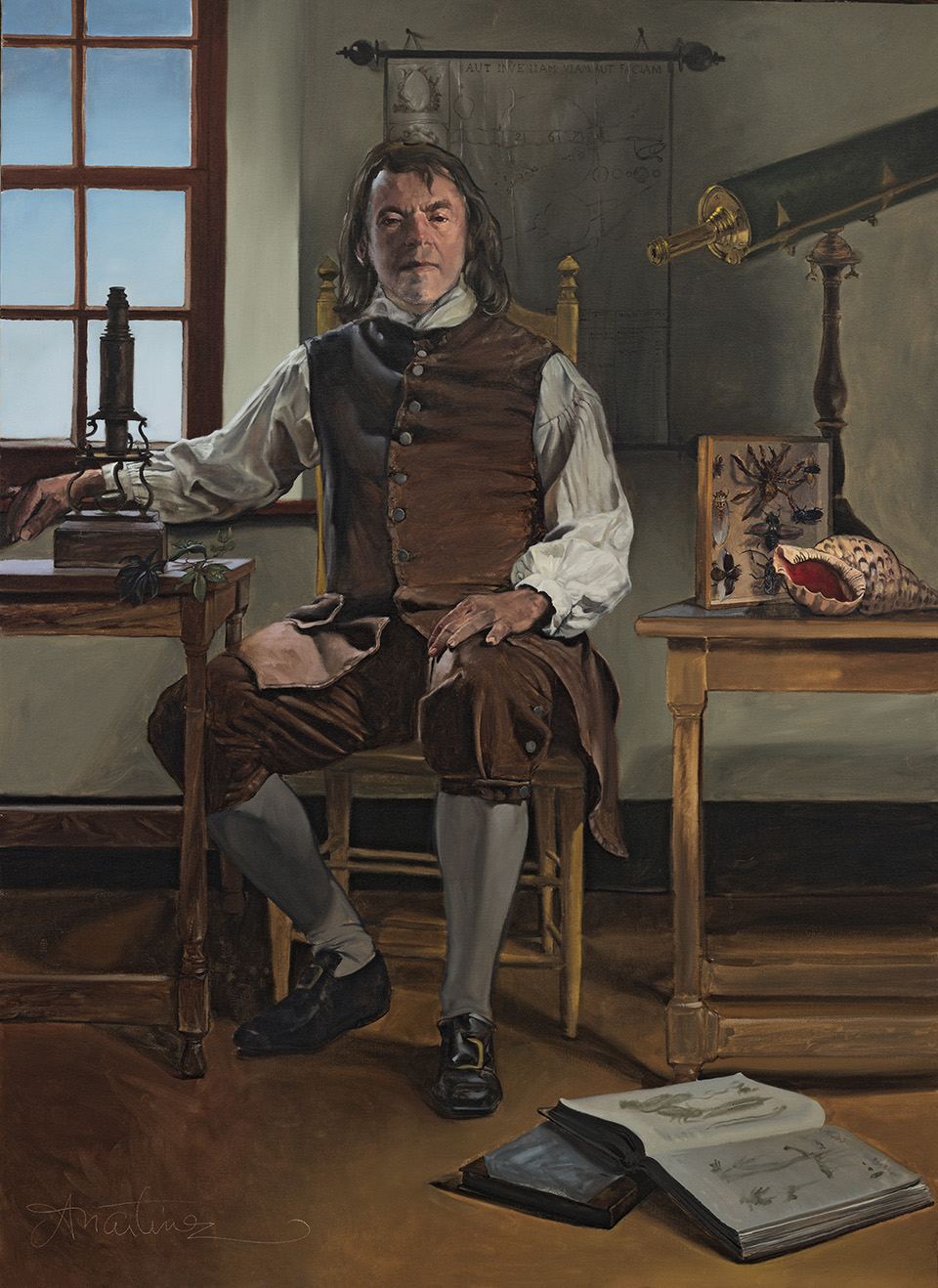
Humphry Marshall, namesake of Marshallton, embodied America’s interest in progress and change in the difficult years following the American Revolution. A renowned botanist and astronomer, Marshall set a lasting example in proving that American farmers would thrive if they embraced the scientific study of agriculture.
Marshall was an early environmentalist and is often considered the “Father of American Dendrology,” the science of wooded plants.
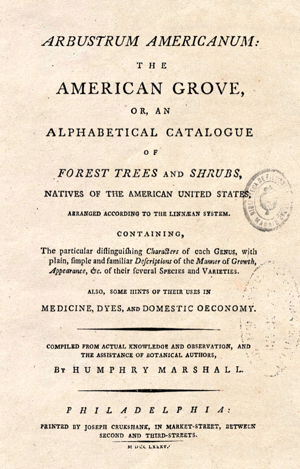
American Grove book.
Marshall’s own prosperity had enabled him to construct a conservatory on his farm – the first in Chester County – where he cultivated rare botanicals that would be the basis for his most enduring book, Arbustum Americanum: The American Grove. Dedicated to his friend Ben Franklin and published in 1783, the book has been described as the first botanical treatise on native trees and plants written by an American and published in America. Marshall was an early environmentalist and is often considered the “Father of American Dendrology,” the science of wooded plants.
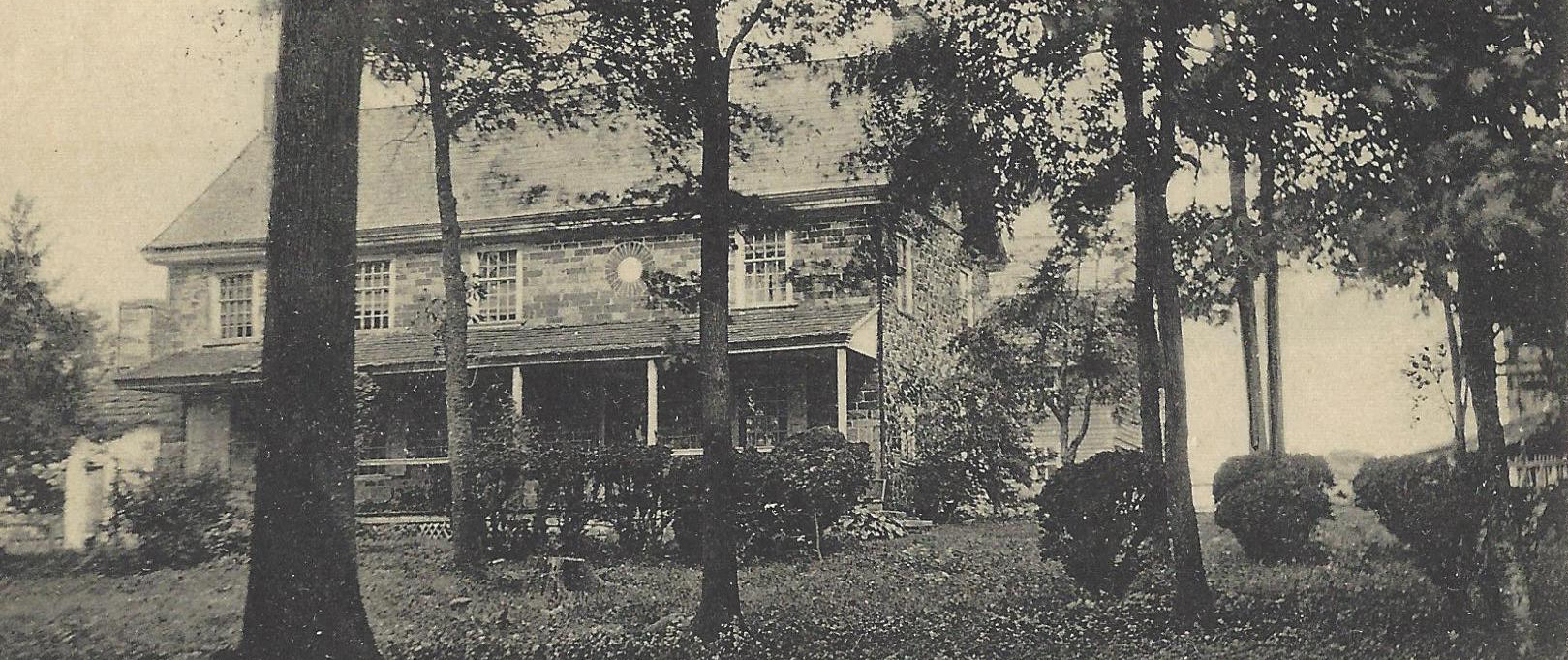
Humphry Marshall home.
At home, Marshall was active in his community as County Treasurer and Overseer of Bradford Meeting. True to his Quaker ideals, he was equally at home with West Bradford’s social mix of indentured servants, free blacks, Continental soldiers and Tories alike. Marshall’s friendship with Indian Hannah was said to have helped introduce Native American lore about plants and herbs to West Bradford farmers and midwives.