The area called Northbrook was originally part of a broad tract along the Brandywine River that was home to Native Americans known as Lenni-Lenapes. To the Lenapes, a mobile clan who moved between homes in different seasons, Northbrook was one fixed sacred place – their burial grounds. A 1685 treaty with William Penn secured the lands for them until a land speculator named Nicholas Newlin surveyed and started selling their lands surreptitiously in the early 1700s. In 1706, after the Lenape travelled to the colonial land offices in Philadelphia to file their grievance, a new treaty was drafted and boundary markers were set. But the settlers’ relentless development continued, forcing the Lenape to abandon Northbrook altogether and move west.

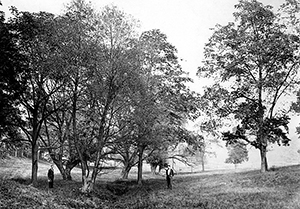
Northbrook Indian Burial Ground. Image
courtesy of the Chester County Historical Society.
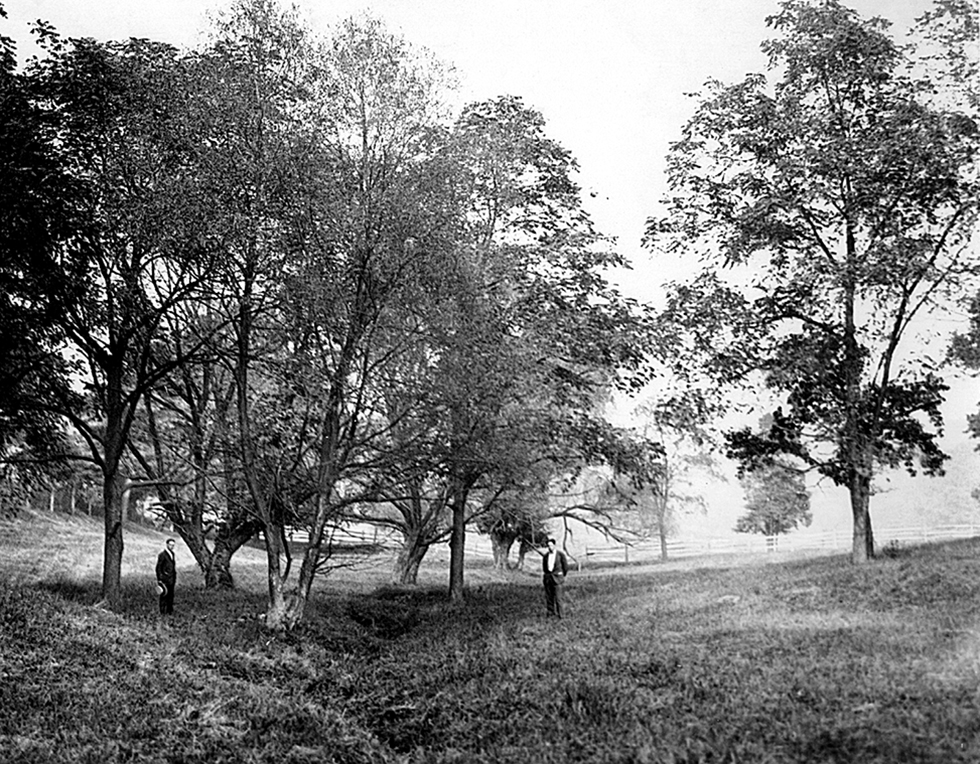
A century later, in 1824, a farmer accidently discovered bones and Indian beads in what he thought was a groundhog burrow. It took decades, but finally the burial site was properly excavated in 1878 and marked in 1909 as the “Lenni-Lenape Burial Grounds.” Another 1909 marker, “Indian Rock,” stands near the Northbrook Bridge, indicating the northern-most boundary of the 1706 Lenape lands.
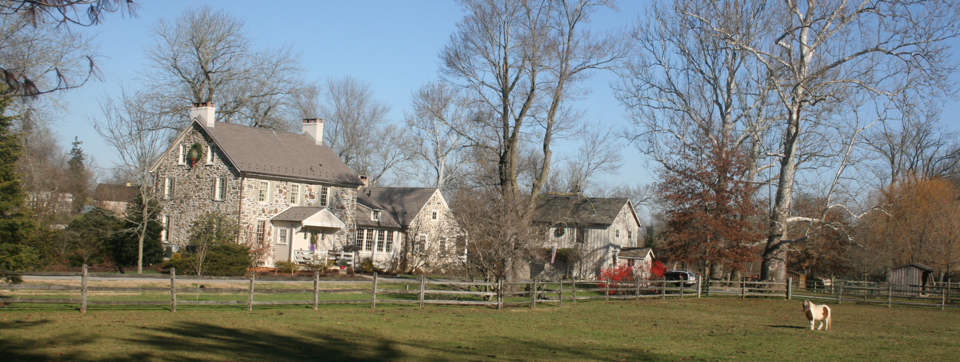
Former home of Dr. Moses Marshall, who assisted his uncle in his studies.
Although Northbrook is listed as an historic district, it has never had a discernable village center. Instead, the district is comprised of several Marshall homesteads including Derbydown and other structures that made Northbrook a “one-family” farming and milling hub for more than 200 years. “Doctor” Moses Marshall, who had helped the wounded at the Battle of Brandywine in 1777, balanced milling with long plant collection expeditions for his uncle Humphry Marshall. Two other direct descendants, the Marshall brothers Edward and Franklin, operated the family’s saw mill.
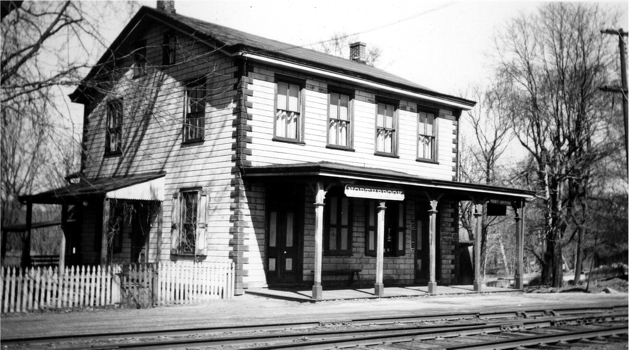
The Northbrook Station and stationmaster’s house image courtesy of the Chester County Historical Society.
Northbrook’s enterprises threatened to overshadow the area’s history as an early Native American settlement.
Anchored by Northbrook Station, the hamlet soon boasted the kind of frame structures typical of railroad communities in other parts of Chester County. They included a freight building, an ice house, a creamery and a coal and lumber warehouse that is now used by a canoe rental company. Northbrook never had a separate general store or post-office. Instead, the station master ran a one-stop operation until passenger rail service ended in 1932.
Northbrook’s enterprises threatened to overshadow the area’s history as an early Native American settlement. But it also became a place where time stood still. Until the late 1970s, people still shopped and got their mail at Northbrook. The mill opened by the Marshall Brothers operated until 1989, the din and whine of sawing blades from an age past mixing with the exuberant shouts of Brandywine canoeists ushering in a new era. Freight lines with their piercing whistles can still be heard rumbling along the tracks today.
The arrival of the Wilmington & Northern Railroad to Northbrook in 1869 gave rise to a collection of frame buildings that seemingly sprang up overnight. The railroad depot, now a private residence, opened the following year as Marshall Station. Legend has it the name was changed when a conductor exaggerated that the Brandywine was a mere “north brook.”
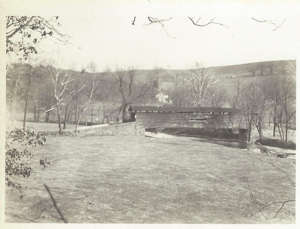
Northbrook Bridge, 1933, photograph courtesy
of the family of the late Bill & Florence Supplee.
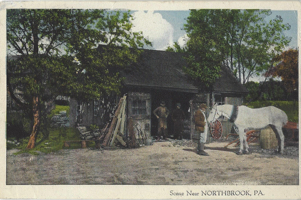
Northbrook Blacksmith postcard courtesy of the
family of the late Bill & Florence Supplee.